
JRPGs usually feature fully developed characters, with no room for modification. Massive titles like Final Fantasy, Persona, and others feature a cast of characters with fixed designs, personalities, and specific journeys in the storyline. Therefore, when an RPG gives you the option of modifying a character, it gives you a lot of control.
I have always loved spending time on character customization in games. I enjoy carefully editing facial features, and hair, and choosing what each character wears. You have already thought ahead and committed to that character, even before the cutscenes have started. You have an attachment not only to the character, but to the entire experience.
The following games have the best character customization tools in the JRPG genre. Only games that offer full customization will be featured, meaning preset faces and fully customizable options will not be included. Established faces, classes, stats, and backstories will be included. For information on where these games rank among the entire genre, check the JRPG tier list. To read about what games best merge character customization and combat systems, check out our guide to JRPG battle systems.
Dragon Quest IX: Sentinels of the Starry Skies

In Dragon Quest IX, for the first time in the mainline Dragon Quest series, players can fully customize their party members. They start by choosing their hero's appearance, gender, and name. Then, they can head to the Patty's Party Planning Place where they can recruit three more members. Like the hero, these additional party members can be customized in name, gender, appearance, and class. This creates a more personal experience than games with preset party members, as every player can build their own character.
While I would like to say that I spent the right amount of time in the character creator, I cannot. Limitations of the Nintendo DS hardware meant players were not able to see detailed character models, however, the game's equipment system made up for this. Armors and weapons would visually change characters in and out of battle. The turn-based battle system of Dragon Quest IX meant that players could fight with different outfits and that made collecting certain pieces of equipment in the game's dungeons a fun and time-consuming activity. Many players invested hundreds of hours to complete specific sets in the game's post-game dungeons, called grottos.
Beyond aesthetics, the vocation system provides even more depth to character customization. Each character can start as one of six base classes, called vocations, and then advance to one of six additional classes. Each base and advanced vocation has their own skills and unique trees for progression. This means that you can switch vocations as you see fit and keep any skills that you learned. The game boasts over a hundred hours of content, and players enjoy this feeling of personal character development. By hour forty, two players with the same starting warrior class will have completely different characters and builds depending on the classes they decided to play.
“I named my party after my friends and we played through multiplayer together. 600 hours later, those characters felt more real than most RPG protagonists.”
Dark Souls
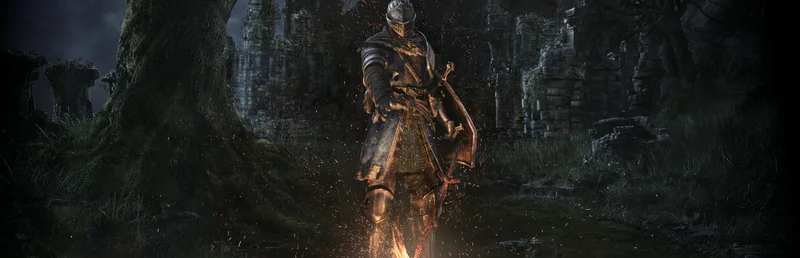
Dark Souls is a Japanese-developed RPG, though it may not fit the typical criteria for a JRPG. One thing it does have is an amazing character creation system, with unparalleled depth in the RPG realm. While the class system may appear simple, your class choice determines your starting stats and equipment, and most significantly, your class shapes your entire gameplay experience. In fact, the classes are so different that picking a Pyromancer or a Knight is not even considered better than the other choice. Each class has its unique upsides and downsides.
Dark Souls has a notoriously flexible character creation system, and most players, myself included, tend to pick a Deprived character, as it definitely makes the earliest parts of the game the most challenging. I don't recommend doing this for a first run of the game, of course. In addition to making a character that can either look beautiful or ugly depending on your whims, the community has made Dark Souls character creation into an art via the game’s online share systems.
Most significant for gameplay, RPG stat allocation system is in addition to the flexible character creation system. Almost every level-up can grant a choice to increase a particular stat. Stat choices have a significant impact on a character's build — and as a result gameplay — and this limitation leads to radically different experiences of the game. The RPG does not just create a character. It gives the player a philosophy in how to play the game. It is a statement on the world that is inherently antagonistic. It is not your choice as a player, it is the world that is trying to end you.
“I spent thirty minutes making a face. Then I put on a helmet in the first five minutes and never took it off. Classic Dark Souls.”
Etrian Odyssey Series

The entire Etrian Odyssey series centers on creating a party. There is no preset main character. You take each new guild member from a pool of available classes, as well as assign their portraits, give them names, and send them off into the depths of various labyrinths to map out the dungeons using the touch screen. From the perspective of game design, the lack of written characters is a design choice, not a limitation. The success or failure of your party is a direct result of the steaps your team took, and all the credit goes to the team you put together.
I lost my first party to a FOE on the second floor because I created a team with no healing. That wipe was more of a tutorial on party composition than any Etrian Odyssey tutorial could hope to be. The series demands a great deal of thought with regards to class compatibility, the roles of specific characters in the front or back rows, and the allocation of skill points. Constructing a completely surrounded party is one of the first challenges presented in the series, and one of the most rewarding challenges in the entire genre.
The quality of life improvements over the remastered Etrian Odyssey HD games on Switch help simplify the process of creating a party while keeping the essence of the game intact. Portrait selection was enlarged, class descriptions received updates for clarity, and skill tree readability was improved. The famous Etrian Odyssey experience remains the same — create a party, dive into the labyrinth, and that's when the fun begins.
“Etrian Odyssey made me care about characters who had no dialogue, no backstory, and no personality beyond the ones I invented for them.”
Final Fantasy XIV
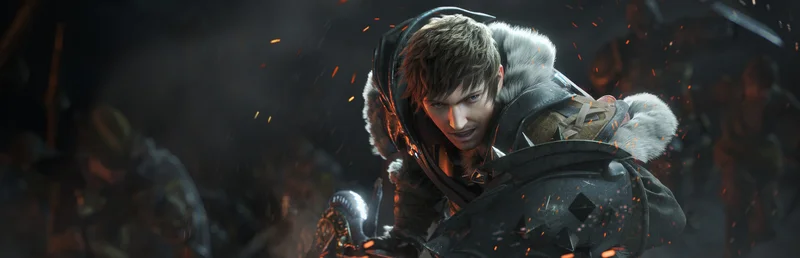
Of all the Final Fantasy titles, the character creation system found in FFXIV is the most complex. Romance novels, for instance, usually involve a sexy character and a self-insert protagonist, whereas in FFXIV the worry of being ignored if you were the protagonist is unwarranted because you will be the Warrior of Light and save the world during the main story quest line and in the multiple expansions and updates. Coupled with this premise, your character will undergo continuous personalization throughout the game. This is far more than other games in the franchise offer.
I spent over 45 minutes on the character creation process because I wanted my character to look as good as possible while being featured in cutscenes numerous times, and I certainly spent a lot of time doing so. The game also offers a wide variety of choices when it comes to post and facial features, relative to other games in the genre. If you want to stand out among the other millions of players, the game does a pretty good job of allowing you to create a character you will find unique.
Changing your character in the Fantasia system is possible if you feel like changing your aesthetics. If you are a long-term player, however, changing your character may feel like a betrayal considering all the time spent familiarizing yourself with the character. After hundreds of hours of gameplay, your Warrior of Light is more than just an avatar; they are someone you have come to know, and someone who you feel emotionally connected to based on your personal choices, plus you’ve seen their face during pivotal moments in the storyline.
“My Warrior of Light has been with me for ten years. I have changed jobs, moved cities, ended relationships. She has not changed at all.”
Xenoblade Chronicles X

Only one of the Xenoblade games features a custom player character, Xenoblade Chronicles X. The character creation system aligns with the focus of player exploration present in the title. Players select the avatar from a range of possible faces, adjustable body size, and voice, then drop the avatar onto a planet where they must help humanity survive. Other games in the series feature protagonists with their own narratives, but in XCX, players are a colonist in an alien wilderness. The story centers on the survival of the entire colony, rather than a chosen hero with a pre-defined destiny.
XCX positioned the created character on the periphery of the action, which I enjoyed. Your avatar is in some cutscenes, but they seldom dominate. Other established characters like Elma, Lin and Lao are actively part of the story, while your character is meant to be more of a physical avatar. This design choice favors exploration, and with an open world of five massive continents to explore, the trade-off is justified.
Character creation and the armor system in the game are intertwined because each equipment piece changes the player's character model. With the ability to create characters in XCX, players participated in fashion hunting to take down certain enemies in order to obtain cosmetic drops to match the aesthetic of their character. Since there was a high degree of customization, the game understood that players would care how their characters looked.
“XCX is the only Xenoblade where the best character is the one I made myself.”
Nioh 2
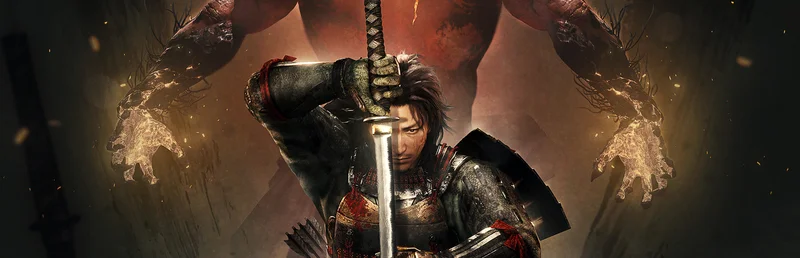
In Nioh 2, the protagonist system was changed from the first game, and players can create a fully customizable half-yokai character. Character creation in the game is perhaps the best in the action RPG genre. Great customization options include the ability to choose facial features, hair styles, and several body types. Additionally, each character gets a unique demon form that is customizable, which means players can create two different identity for a character.
I spent close to an hour making my character because the character creation system is that impressive. Players can preview the lighting conditions to see how their character will look during different stages of combat. This is important because the game has dark environments lit by tools and yokai. If you do not consider environmental lighting, a character you designed to look good in the character creator may look muddy in gameplay.
In Nioh 2, the diverseness in builds relates directly to the character you can make. The starting weapon you pick can change the flow of the game in the early stages, while skill trees can make two players look identical, but completely differnt play styles. An example of this is a kusarigama build which is used to level range and crowd control. For switchglaive builds, the focus shifts to stance control and and versatility. Ultimately, your heroes fighting personality is just as unique as the heroes design. For more action RPGs on modern consoles, check the best JRPGs on PS5.
“Nioh 2 has the best character creator in the Soulslike genre. My half-yokai looks better than most preset protagonists.”
Dragon's Dogma 2
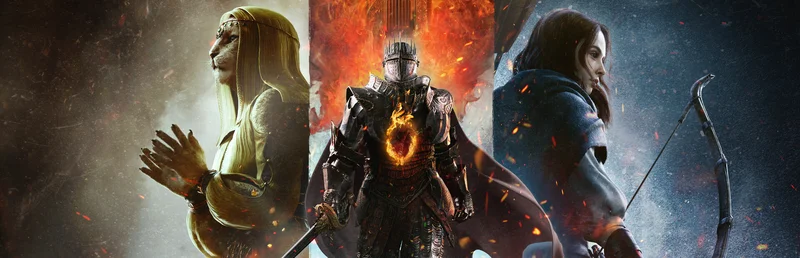
Dragon's Dogma 2 has once again focused on character creation systems. This time around, you have to create both your Arisen (the main character) and your primary Pawn (AI companion). The character creator has insane detail, to the point that your chosen body proportions will affect how your character interacts with the world. For example, a player’s character will have a leg reach advantage over another, and a player’s character of a higher weight class will be harder for enemies to grab.
I opted for a smaller, dexterous Arisen, with a big, lumbering tank Pawn, and it worked out for us. When I would run around and get all the enemies while my Pawn was able to hold the position and grab enemy attention. For 50 hours, my combat strategies were directly influenced by my choices in the character creator, and that kind of gameplay integration into the character creation system is unique, making each choice feel important.
The Pawn sharing system lights up a social element of character design. Players can recruit each other's pawns, so your Pawn walks into and experiences other players' games, creating a sense of community. The Pawn community is seen as a form of artistic and community expression, with some designers creating true works of art and others being wildly creative with grotesque results.
“I spent two hours in the character creator. For each character. No regrets.”
Shin Megami Tensei V: Vengeance
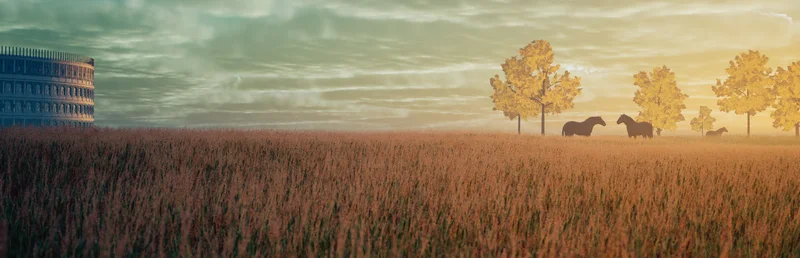
Shin Megami Tensei V has an unconventional interpretation of player character creation. Players do not select the character's aesthetics, since the Nahobino has set, albeit customizable, features. Player choices in strategic fusion of Nahobino demons, determinig their moral alignment in the game, and the possession of specific skills during battle create a highly individualized representation of the player’s unique strategic values and moral philosophy shaped over sixty hours of gameplay.
Although character creation is ultimately diminished through the lack of an appearance editor, I see the alignment choices, demon fusions, and prioritized skills as pathways to a kind of endgame story that characterizes playstyle. Players who begin with an identical Nahobino character in the game will end with demon parties, skill distributions, and divergent endings in practically every case. The end character is determined more by gameplay choices than by aesthetics.
With the Vengeance expansion, developers provide additional options in demon fusion and alignment systems that improve character customization even more. The three main game narrative ending options, Law, Chaos, and Neutral allow the player to experience new forms of narrative development that allow for more customization of the largely silent main character. The choices players make in the game define the emergent Nahobino character identity and that identity is often more intricate than the identity of an equally voiceless character.
“My SMT V chose Chaos. My friend chose Law. We fought the same boss for opposite reasons. That is character creation.”
Monster Hunter Rise
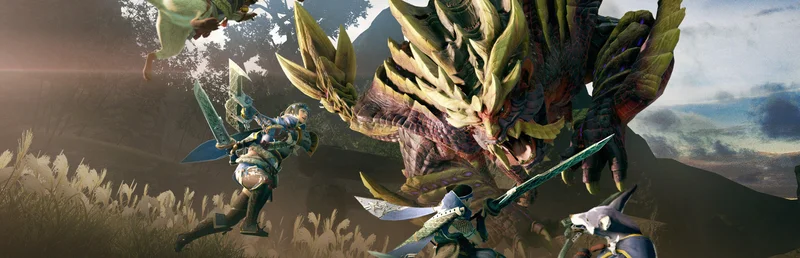
Monster Hunter Rise gives players the chance to create a distinct character through features like gashes on the face, a variety of hairstyles, or even some makeup. Most people won't see these features, though, because a character's appearance is mostly defined by their armor. All characters will have a defined look that will be more dictated by the gear they wear than the actual features the player chose. While the creator is certainly detailed, the world of armor provides the real creative expression. Each monster defeated drops crafting materials for armor sets, which in turn provides a new look and a new way to play.
After about three hours of playing, I was forced to change my initial armor choice that I had crafted because I received a better set that was dropped from a monster hunt. Ultimately, the combat or hunt set is a reflection of the playstyle each player has chosen, and that is an integral part of the identity of the Monster Hunter game. The system was put in place to diminish the cosmetic discrimination that can occur during play because of the gear selection. To combat that, they put in the system to allow players to look like what they want. The game also has a system to reward players specifically for farming the monsters for armor instead of only the materials required to create the armor. Once a player has completed all the desired hunts for armor, they are often shown wearing the decorative set for the armor and not the actual set that provides the best stats.
Rise also has players customize their companions, Palico and Palamute, who join the hunts. Some players love creating their companions and post images of their unique companions. The game has a vast array of selection for each, and players look to share their creations. If you are interested in other games available on the Switch platform, check out the best JRPGs on Switch.
“I made my hunter look like a veteran. My Palico looks like a tiny chef. My Palamute looks like my actual dog.”
Elden Ring
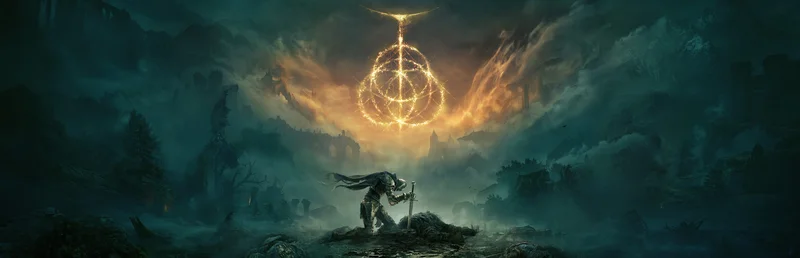
Elden Ring has taken the character creation aspect of Dark Souls and expanded it to be the most significant feature of their largest and most open-ended RPG. Each of your Tarnished can begin as one of ten different starting classes, with varying stats and starting equipment. The character creator also allows for extensive facial customization, and the addition of body type selection without being gender locked is a positive addition for players to express themselves.
Across my three Elden Ring playthroughs and characters created, each one definitely felt completely different from one another. Faith incantation casters feel different from dexterity bleed builds, and the same goes for relationships with the Lands Between as strength colossal sword builds. These differences also stand out even more in the open world, as your build defines which areas feel accessible and which are not as you reach different levels. The character creation system in Elden Ring goes beyond the surface, and is the starting point for your playthrough.
With the multiplayer functionality, other players will use the character that you made as either a helper or enemy, meaning that players can see your character. This leads to a community involvement in character customization that goes farther than just single-player, role-playing games. Community members refer to this practice as Fashion Souls. In the endgame of Elden Ring, participating in the Fashion Souls community is a serious practice. The character customization community is similar to the gameplay community in that they enjoy seeing the best of the best in their respective categories. Do you want to know how Elden Ring fits in with other games? Check out the best RPGs of all time.
“Elden Ring let me make someone who looks like they belong in this world. 200 hours later, still the best character I ever created.”
What Makes JRPG Character Creation Special?
There are noticeable and interesting differences between character customization in JRPGs and character customization in Western RPGs.
First, the stakes of the game are different. For the Western RPG game of Skyrim, your character is just one of a possible thousands that have been created. In the case of JRPGs, when your character is created, the game is most likely to have your character as the only real hero in the game. This placement gives the character created some narrative importance which Western RPGs do not offer, as they give a large player base a sense of control.
Second, the community role is significant. JRPG players have a strong emotional bond to their characters and share codes and guides with other players not just for games, but for Fashion Souls as well. The characters that players create are not just ones to throw away, as they have a large time investment in the game, and they customize them to reflect that.
In JRPGs, appearance and gameplay integration is much stronger. Dragon Quest IX allows players to express their character’s personality through different outfits, while Dragon’s Dogma 2 allows players to fashion their body however they wish due to the body physics system, and the Soulslike series connects look and gameplay through stat allocation. The integration makes character creation beyond cosmetic.
Conclusion
Character creation is not confined to Western RPGs, and games on this list show that Japanese developers have their own means of letting players sculpt heroes. From the full party construction of Dragon Quest IX and Etrian Odyssey and build-driven identity of Dark Souls and Elden Ring, to MMO persistence of Final Fantasy XIV and decision-based character definition of Shin Megami Tensei V — the list of JRPGs is far from lacking.
If you want to make a character that is uniquely yours, look no further than these games. They allow you to build a character from the ground up, invest hundreds of hours in their journey, and walk away from the game feeling like your journey was represented in the character’s journey.